

Places
Musket Cove & Malolo Lailai by Boat
The South Pacific's most famous yachtie hub sits twenty kilometres off Nadi — the marina, the do-it-yourself barbecue on the sand, and what a day at Musket Cove is actually like when you arrive by boat.
Musket Cove & Malolo Lailai by Boat
Destination
Fiji
Category
Places
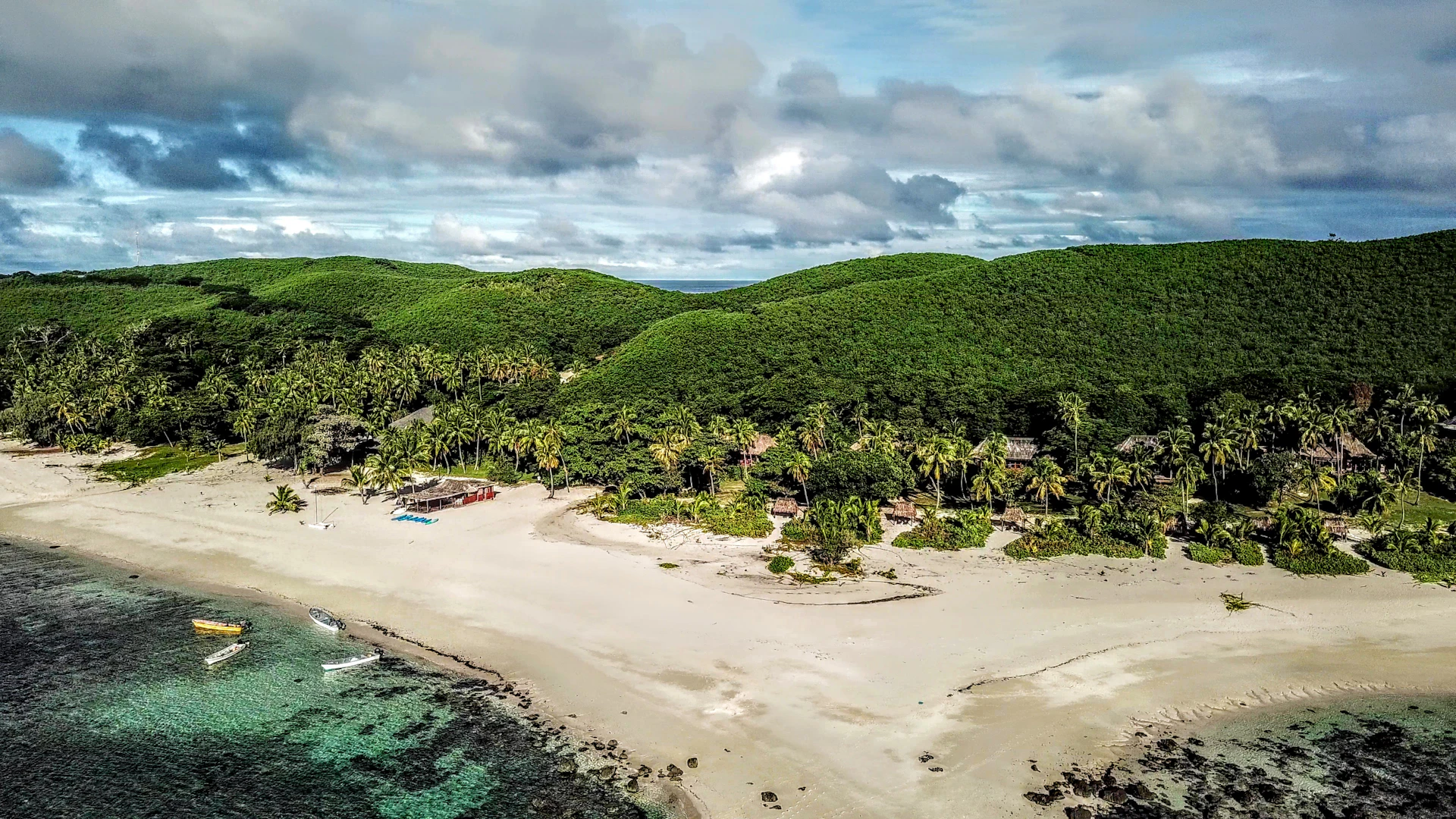
Twenty kilometres west of Nadi, in the middle of the Mamanuca chain, there is an island that most Fiji holidaymakers pass without a second glance and that almost every sailor in the South Pacific knows by name. It is called Malolo Lailai — Little Malolo — and the cove on its eastern shore is Musket Cove.
If you have crossed an ocean under sail, this is where you stop. If you are out for a day on the water from Denarau, it is one of the most rewarding places to point the bow: a proper harbour with a proper anchorage, a beach bar built for arriving by boat, and a working marina in the middle of some of the prettiest water in Fiji.
The island the Mamanucas revolve around
Malolo Lailai is the second largest of the Mamanuca Islands and comfortably the most developed. A handful of resorts share it, along with a marina, a golf course and an airstrip that runs the width of the island — small aircraft hop across from Nadi in minutes. Musket Cove Island Resort and Marina occupies the sheltered eastern side; Plantation Island and Lomani sit along their own stretches of sand.
That sounds busy on paper, and it is not. The island is green and low, fringed by beach, and the development is the low-slung Fijian kind — bures under palms rather than towers. What it means in practice is that a boat arriving here finds something rare in an island chain this beautiful: somewhere to tie up, somewhere to eat, fuel and water, and a bar that will still be serving at dusk.
A short run from Denarau
The crossing is one of the easy ones. Malolo Lailai sits directly out from Port Denarau, the marina near Nadi where almost every day on the water in western Fiji begins, and the run out is comfortably inside an hour in settled conditions.
It is also kind water. The barrier reefs out west break the ocean swell long before it reaches the inner Mamanucas, so the sea between Denarau and Malolo Lailai is more often flat than not — particularly in the morning, which is the argument for an early start here as everywhere in Fiji. Leave at a civilised hour and you are anchored off the cove with most of the day still in front of you.
Musket Cove: a marina with a yacht club attached
The cove itself is a dredged basin with berths inside and moorings laid outside it, plus a dinghy dock for boats lying at anchor. For a day boat, the practical upshot is simple — there is somewhere to put yourself. Anchor off, come in by tender, and the island is yours for the afternoon.
The thing that has made Musket Cove famous, though, is the Musket Cove Yacht Club. It is a yacht club in the loosest and best sense of the phrase: no committee room, no blazers, and a membership roll that runs into the tens of thousands because the club hands out lifetime membership to sailors who have earned it on the way here. The clubhouse is a bar on the sand. That is the whole institution, and it works.
The Island Bar, and the barbecue you cook yourself
The club's home is the Ratu Nemani Island Bar, out on a small islet off the cove, and it runs on a genuinely charming idea: you bring your own food and cook it yourself. The bar keeps barbecues going and pours the drinks; what lands on the grill is your business. Boats turn up with whatever they have aboard, the grills fill, and by sunset there is a row of crews cooking side by side with the lagoon going pink behind them.
It is the sort of place that would be ruined by being organised, and it has sensibly never been organised. For a private boat out for the day, it is close to the ideal late-afternoon stop — you can eat ashore without booking a restaurant, and the whole thing costs you a walk up the beach.
Regatta Week, once a year
Every September, Musket Cove fills up for Fiji Regatta Week — a fixture that has been running for more than four decades and is the reason a lot of cruising yachts time their South Pacific season the way they do. The cove crowds with boats, the racing is enthusiastically unserious, and the week is as much about the beach barbecues and the parties as the results.
Exact dates shift year to year, so it is worth checking before locking anything in. If your trip lands in that window, a day out to the cove is a very different and very good experience — and if you would rather have the anchorage quiet, plan around it instead.
Walking across to Malolo at low tide
The big island of Malolo lies immediately north, separated from Malolo Lailai by a narrow isthmus that can be crossed on foot at low tide. It is a small thing and a lovely one: two islands for a few hours, one island for the rest of the day, and a stretch of sand that exists purely at the tide's discretion.
Your skipper will know the state of the tide before you do, which is how most of the good moments in Fiji get timed.
The water around the island
The anchorages here shade from deep blue to the pale luminous green that means sand a few metres down, and there is coral within easy reach of all of it — enough that a mask and a lazy hour off the back of the boat is the whole activity. Further out to the southwest lie the reef passes off Tavarua and Namotu, home to some of the best-known surf breaks in the world; you are not going to surf them on a day charter, but they are part of why this corner of the chain has the reputation it has.
The usual Fijian courtesies apply and matter. Reef-safe sunscreen, fins clear of the coral, float rather than stand. Many of these islands are somebody's home as well as your day out — follow your crew's lead on which beaches welcome visitors, and treat a village visit as the privilege it is.
When to go
Fiji's dry season runs roughly May to October — the trade-wind winter, when the humidity drops, the skies run clearer and day after day comes up settled. That is the prime window for this water, and it is no coincidence that the regatta sits at the end of it.
November to April is hotter and wetter, with tropical downpours that build and clear fast. There are still fine days on the water then; the trick is planning around the weather rather than against it, and going early when you can.
Planning a day at Musket Cove
Fiji works differently from Ahoy Days' instant-book harbours — days on this water are arranged rather than clicked, through the Ahoy network of boats and crew out of Denarau. That suits a destination like this one, where the good version of the day depends on the tide, the wind and how long you want to sit at the Island Bar.
Tell the team your dates, your group and whether you are after a quiet anchorage, a snorkel-heavy loop or a late afternoon ashore at the cove, and they will build the day around it. Get in touch with the date, and Malolo Lailai will handle the rest.
If you are still working out how a Fiji day fits together, our guide to day trips from Denarau and the Mamanucas covers the wider chain.
Related Guides
Ready to plan the best day of your holiday?
Browse the Sydney fleet and start planning your day on the harbour.
Browse Available Boats